
Proving academic ROI can be tough, but this Delaware district has a plan
Reported byK-12 Dive
AI-assisted summary
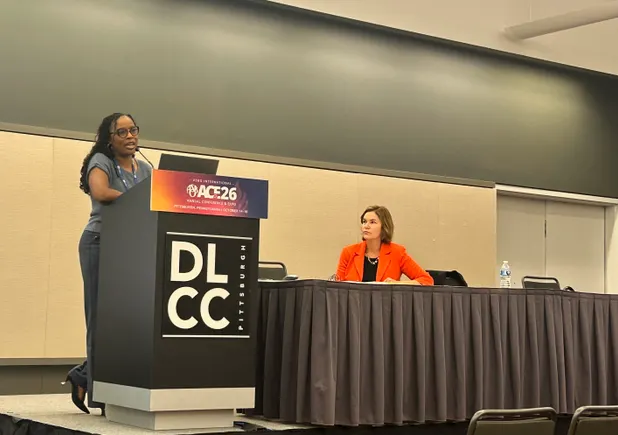
At a Thursday session during the Association of School Business Officials International's 2026 conference in Pittsburgh, a Christina School District official and a WestEd education finance director described a tool built to judge whether district programs help students academically. The Delaware district, which serves about 13,000 students, worked with WestEd on a dashboard that went live in July. It places a program's cost beside data on student results, lets leaders compare programs, and includes a section where they reflect on why something did or did not work.
Nathalie Princilus, the district's supervisor of grants and unique programs, said roughly half of its programming previously lacked clear ways to gauge student outcomes. She said the work matters because enrollment is shifting and finances are unstable after pandemic-era spending, which went heavily toward staffing. Enrollment is reported as dropping about 5.6% between fall 2022 and fall 2026, from just over 13,500 to about 12,800 students.
An early test case was the district's in-school suspension program, a state mandate that comes without funding. Princilus said the district has spent $1 million on contracts for it and has run it four years. Reviewing data on repeat participation, interventions, grades, attendance and demographics, the district concluded the program's implementation was not producing strong academic returns. She said the dashboard can help leaders explain to the superintendent, board or taxpayers why a program might change or end, and that emotional attachment can make cuts difficult.
Why it matters
With enrollment falling and pandemic-era funds gone, districts face pressure to justify spending. This example shows one approach to tying program costs to student results, which could shape how boards and taxpayers weigh future budget and program decisions.
- Budget cuts
- Enrollment decline
- Student discipline
- Financial audit
Written with AI from the publisher's article and may contain errors. The original reporting is the authoritative source.
Sign in to react.
- What evidence should a district require before deciding that a program should be changed or ended?
- How should a district handle state-mandated programs that come without funding but may not be producing strong results?
- How can leaders balance staff attachment to programs with data on student outcomes when making budget choices?
Suggested with AI.
Public discussion (0)
Share how this affects your community. Be respectful, stay on topic, and don't post personal information. Editors may hide comments that break these rules.