
Pickerington, Upper Arlington schools ask voters for more money this November
Reported byWOSU Public Media
AI-assisted summary
Voters in two central Ohio districts, Pickerington and Upper Arlington, will weigh in on school funding requests on Nov. 3, and early voting is already open.
Pickerington's earlier request, a 1.25% income tax increase, was rejected by roughly a 2-to-1 margin in May. The superintendent says residents then asked for a smaller, time-limited proposal and for spending reductions. The new ask is a 0.75% additional income tax lasting 10 years, with Social Security income exempt, expected to bring in $21 million annually. The district trimmed some administrative jobs, cut building budgets by 25%, and shifted to one-way busing for games, saving about $3.25 million, according to the superintendent. He says the district has spent more than it takes in since 2022, last passed an operating issue in 2011, and could exhaust its reserves by July 1, 2028. If the measure fails, he says freshman and JV sports and other activities would be cut, with teacher layoffs possible later.
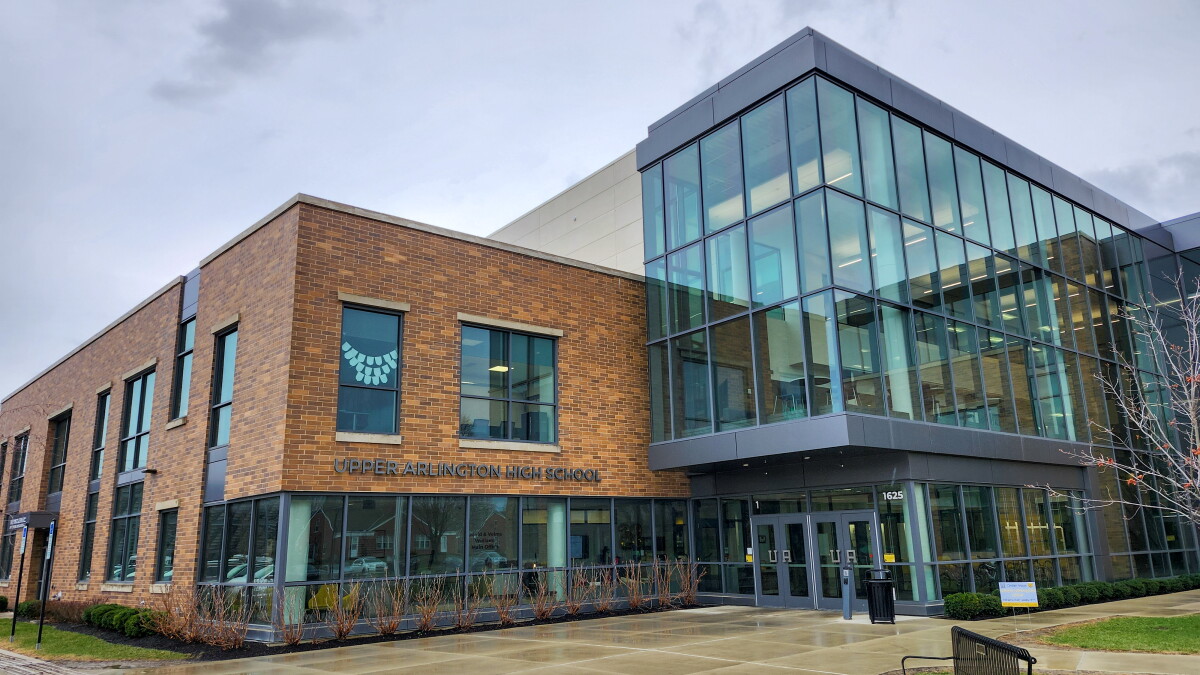
Upper Arlington's ballot item pairs an operating levy with a bond issue, listed as 7.15 mills, costing the owner of a $500,000 home a bit over $1,250 yearly. The bond would fund over $273 million in construction for a preschool and two middle schools, including rebuilding most of Jones Middle School. A local group, Protect Upper Arlington Schools, argues that repairs would cost over $100 million less and questions the district's debt and maintenance record. The superintendent says combining the measures is deliberate and that a 38-year bond spreads costs across generations.
Why it matters
The outcomes could shape programs, staffing and school buildings in both districts, and affect household tax bills. The article also shows how Ohio's reliance on local taxes and the way these requests are structured can influence what voters are asked to decide.
- School levy
- Bond measure
- Budget deficit
- Budget cuts
- Property taxes
- New construction
Written with AI from the publisher's article and may contain errors. The original reporting is the authoritative source.
Sign in to react.
- How should a district weigh rebuilding versus repairing older school buildings when both options carry long-term costs?
- What information would help voters judge whether a levy request is sized and timed appropriately for their community?
- Is it reasonable to join an operating levy and a bond issue in one vote, and what are the tradeoffs for voters?
Suggested with AI.
Public discussion (0)
Share how this affects your community. Be respectful, stay on topic, and don't post personal information. Editors may hide comments that break these rules.