
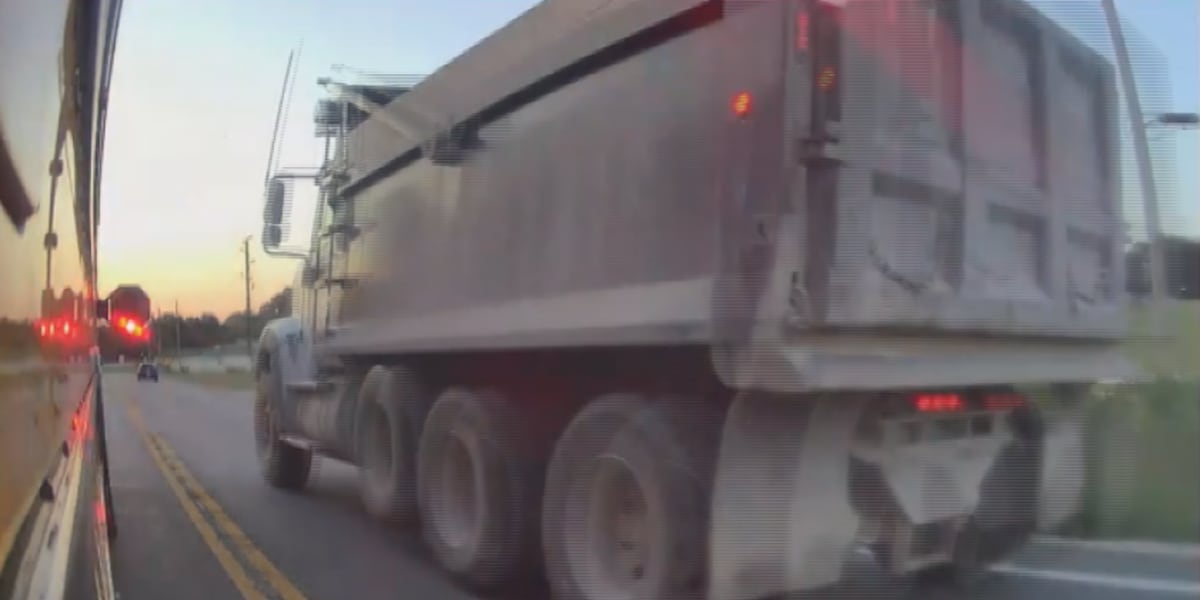
Tougher Missouri fines aren’t stopping drivers from speeding past school buses, district warns
Reported by KCTV By Samantha Boring

How this story got here
Then
SchoolBoardNews
Checked the link, filed it by topic and place.
We link to publishers' reporting and never copy it. How every story is checked
About this topic
Student safety and wellness
General background from SchoolBoardNews. It isn't a summary of this article; read the full story at the publisher.
School safety and student wellness cover a wide range of issues: building security and emergency planning, bullying and harassment, student mental health, school nurses and counselors, discipline policies and student health requirements. Boards adopt policies in these areas, often within limits set by state law, and districts may partner with local health agencies, law enforcement or community organizations. Staffing levels for counselors, psychologists and nurses vary widely between districts. Because these topics can involve individual students, districts often share only limited details publicly to protect student privacy.
Why it matters
Students learn best when they feel safe and supported, and these policies shape both daily school life and how schools respond in a crisis.
How a safety policy usually takes effect
- Need identified
- Policy drafted
- Board readings
- Adopted
- Training and reporting
How each step works
- Need identified. A concern, a new law or an incident prompts a review.
- Policy drafted. Staff draft or update a policy, often from a model policy.
- Board readings. The board reviews the policy in public, often over two meetings.
- Adopted. The board votes to adopt the policy.
- Training and reporting. Staff are trained, and the district reports on how it's working.
Typical steps. Rules and timing vary by state and district.
Questions to ask locally
- What supports does the district offer for student mental health, and are they meeting demand?
- How are safety policies reviewed, and who is involved in that review?
- How does the district communicate with families during and after an incident?
- How are students and staff trained on the district's safety procedures?
Public discussion
Share how this affects your community. Be respectful, stay on topic, and don't post personal information. Editors may hide comments that break these rules.