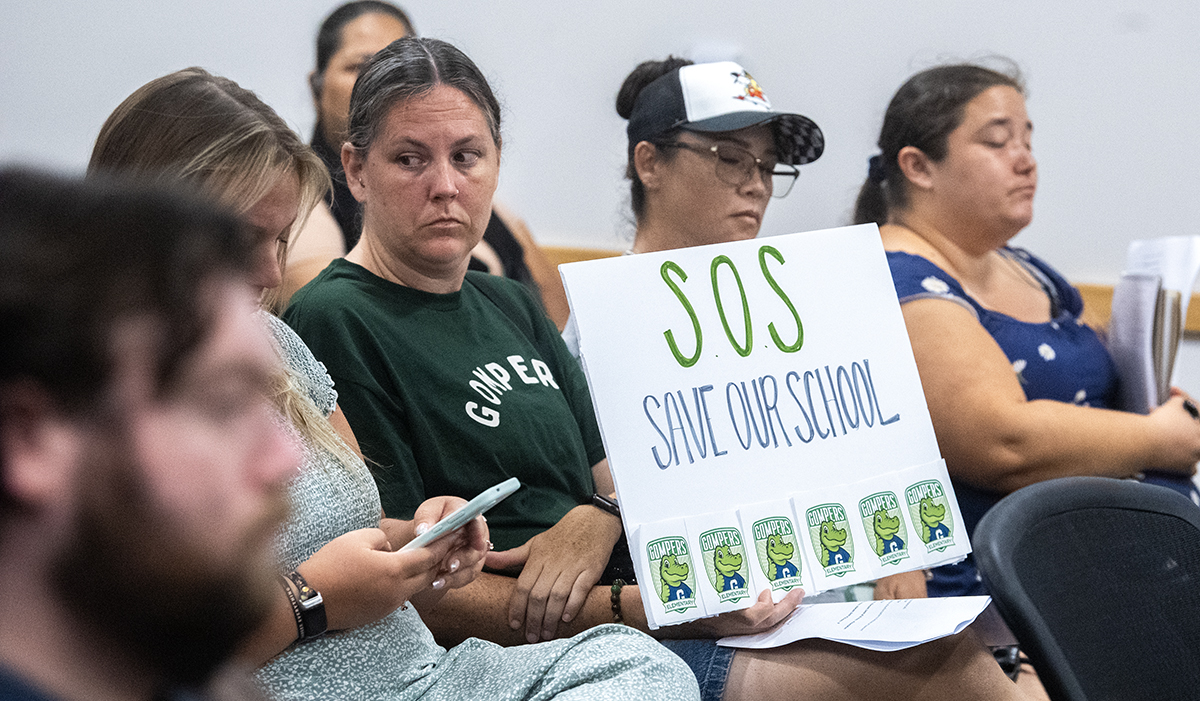
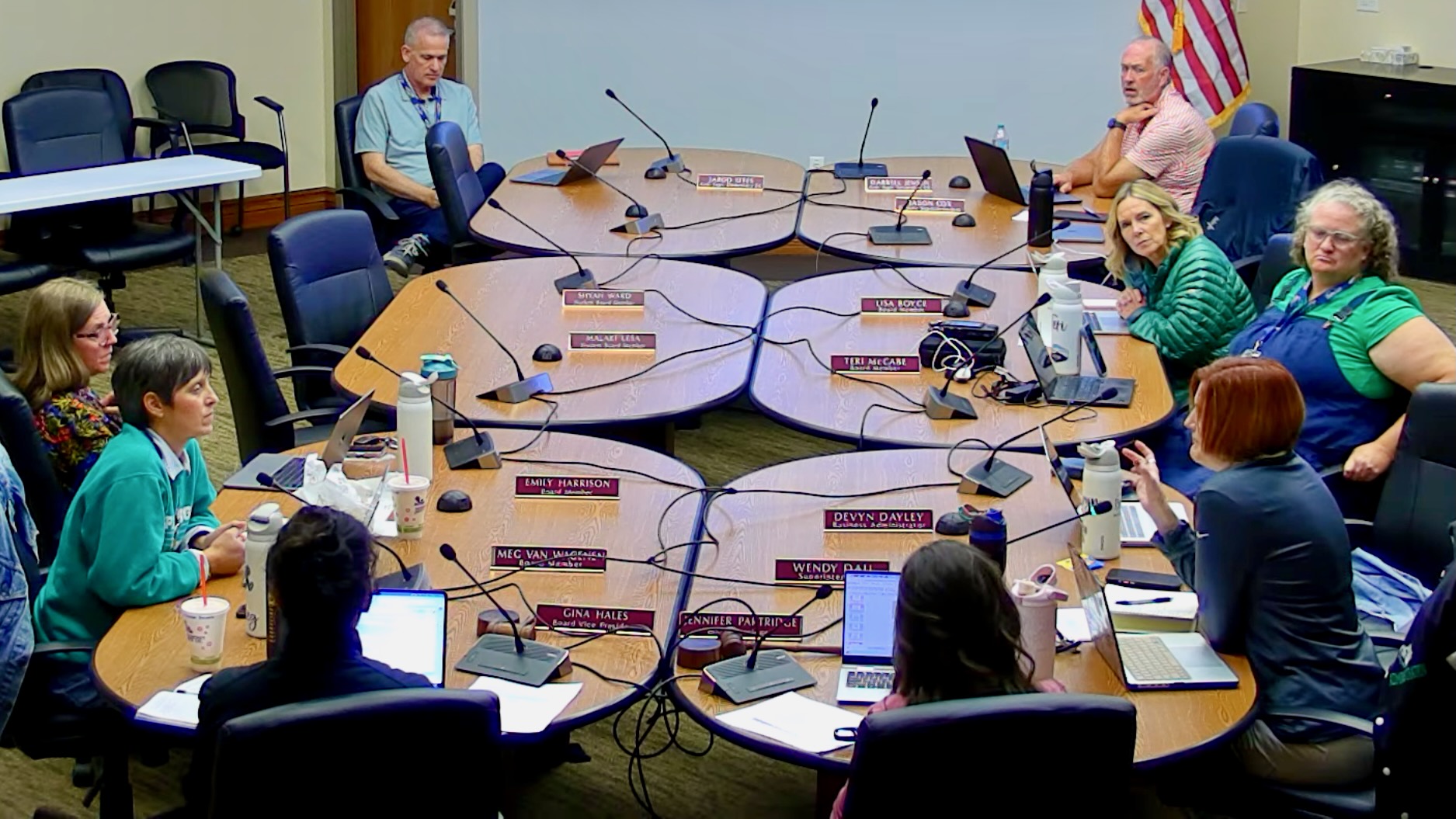
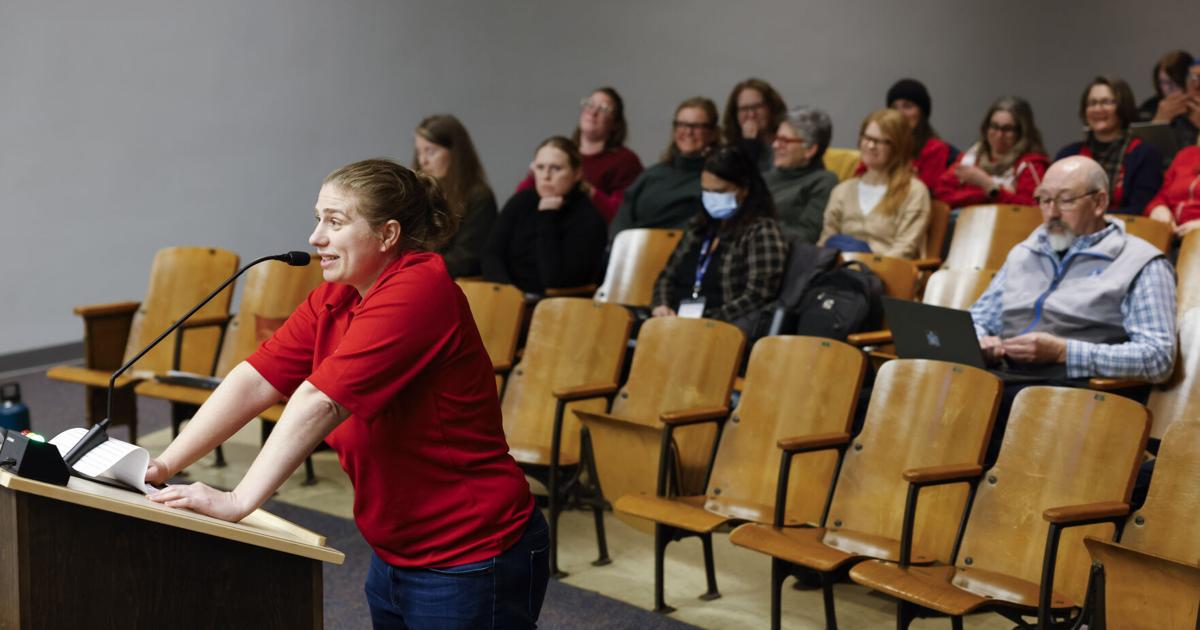
This opinion-leaning piece from a San Francisco news site previews a San Francisco school board meeting on Tuesday the 13th. The board is set to consider proposals that would move the district toward giving families a preference for a school in their own neighborhood. The author says all the proposals would guarantee families some access to a school in a defined neighborhood zone, while access to schools outside that zone would become much more limited. Today, families rank schools from across the city, with some exceptions, and families from certain neighborhoods get priority. The author cites district data showing 97 percent of families receive one of their choices and 80 percent receive their first choice. The author argues that because neighborhoods remain divided by race and income, a neighborhood-based system would concentrate wealthier families in some schools. He also says those schools can raise large sums through parent fundraising that other schools cannot match. He says well-funded parent groups have pressured the board to adopt such a system. Two community advocates are cited. One says families in underserved areas should be able to seek better-resourced schools. The other says the board should hold town halls and start over, and that the proposals would be worse than the current system. The author also points to state limits on property taxes and suggests the district could share some PTA-raised money across schools. The meeting begins at 6:30pm at 555 Franklin.
AI-assisted from the publisher's article. It may contain errors.
Why it matters
How a district assigns students to schools affects which schools families can reach and how resources are spread across neighborhoods. The article's author argues the proposals could widen gaps, so families and board members may want to examine the details closely.
AI-assisted from the publisher's article. It may contain errors.
Two members of the Minneapolis school board, Greta Callahan and Sharon El-Amin, are asking their colleagues to hold off on a vote tied to proposed school closures in Minneapolis Public Schools. Citing Minnesota Star Tribune reporting, the article says they wrote a measure that would halt the closure process for now. The effort comes after city council members separately urged the board to weigh other options before moving ahead with closures. The article describes the issue as a tough one for urban districts, which must balance enrollment trends, building expenses, programs, and the effects of merging neighborhood schools. It notes that closures can change families' transportation, classroom settings, friendships and access to nearby services. The article says a postponement would not solve the district's financial or operational problems, though it could give more time to examine alternatives and explain the effects of proposed changes. As of its writing, the board had not been reported to approve the pause. What happens next depends on the board's upcoming discussions.
AI-assisted from the publisher's article. It may contain errors.
Why it matters
School closures can change daily routines for families, including transportation, classrooms and nearby services. Whether the board pauses or proceeds affects how much time the public and officials have to consider alternatives and understand the consequences of any changes.
AI-assisted from the publisher's article. It may contain errors.
At its Oct. 6 meeting, the Monroe County School Board paid tribute to John Padget, who has died. He was a philanthropist who also led the district on an interim basis from mid-2003 into late 2004, after then-Gov. Jeb Bush named him to the job when Superintendent Mike Lannon resigned. Through the programs Take Stock in Children and Monroe COMPUTE$, his support helped many Keys students pay for college or trade school. Superintendent Ed Tierney also honored John Dick, who sat on the board for 20 years and chaired it several times. Board members described both men as generous, honest and dedicated to public service. A high school student representative told the board about the Monroe Association of Governing Students, a countywide group the district started. Twelve members, chosen by classmates at the county's three high schools, talk about what is and isn't working in schools. They are preparing a survey on artificial intelligence and are also busy with homecoming. A Lower Keys teacher with 28 years in the classroom said the proposed teacher raise falls short, adding that she puts in roughly 200 unpaid hours a year beyond her contract. Board member Sue Woltanski brought up religious instruction and excused absences for religious holidays, noting that Plantation Key School already permits them. Board member Yvette Talbot said the Rex Weech Field project in Key West came in near $5 million, about $250,000 below budget. The board next meets Nov. 17 at 5 p.m. at Marathon High School, with 2027 legislative goals expected on the agenda. A legislative platform is expected to be adopted in December.
AI-assisted from the publisher's article. It may contain errors.
Why it matters
The meeting touched on teacher pay, a completed facilities project that finished under budget, and the district's state-level priorities. Families, staff and taxpayers can see how the board weighs compensation concerns and plans its legislative agenda.
AI-assisted from the publisher's article. It may contain errors.
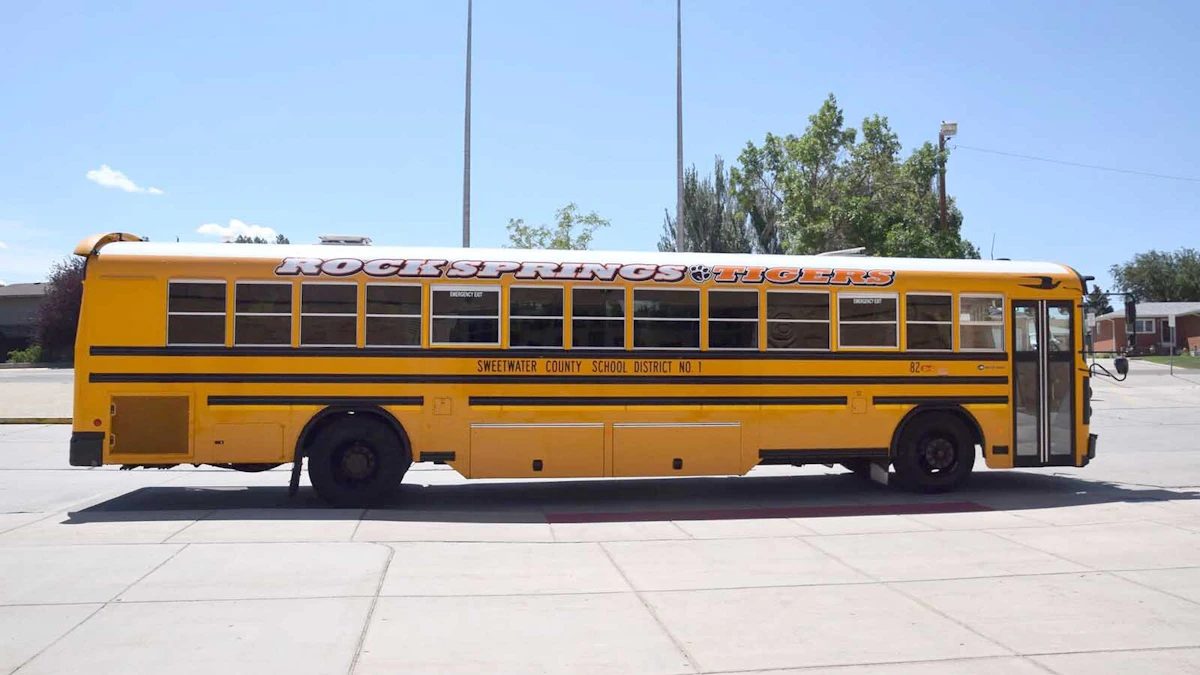
Sweetwater County School District No. 1 in Rock Springs is working to keep its finances running after losing its chief financial officer, Matthew Gonzales, who submitted his resignation. The assistant CFO took leave, and two other accounting employees asked for leave, according to Interim Superintendent Paul Grube. Grube, who has been in the interim role less than three weeks, says he does not know why the CFO resigned and expects accounting operations to continue. The school board is expected to take up the resignation letter at its regular Monday meeting. A district curriculum secretary, Shawna Willmore, alleged in a Facebook exchange that the accounting office had been short-staffed and had a hostile work environment, and that for 36 hours no one could handle payroll or fiscal management. The news outlet could not independently verify these allegations, and Willmore did not respond to a request for comment. Grube did not link the departures to workplace conditions. The district also faces an upcoming annual audit, and Grube says much of the needed paperwork had not been provided to the state auditor. He says about a dozen maintenance employees and a volunteer with school finance experience are helping, and he is confident deadlines will be met. Earlier this fall, some employees reported late paychecks after a payroll schedule change, which Grube says brought unexpected problems. Superintendent Joe Libby remains on paid administrative leave, and the board chair says a personnel process is ongoing.
AI-assisted from the publisher's article. It may contain errors.
Why it matters
Payroll, audits and financial management affect district employees' paychecks and the public's trust in how tax dollars are handled. Leadership changes and staff departures at the same time may raise questions for families, staff and board members about stability and oversight.
AI-assisted from the publisher's article. It may contain errors.
This installment of Mission Local's weekly candidate series asks the eight people on San Francisco's November ballot for the school board how San Francisco Unified should use its reserves. Three seats are up for election. Each candidate answers in 100 words or fewer, and new answers appear on Fridays. The district says its official reserve is $139 million, and $28 million of that is required by the state. It says some of the rest should be kept for emergencies. Board members disagree over whether to hold more in savings or spend more now. During the February teachers strike, the district drew on reserves to help pay for wage increases and health coverage for employees' family members. It warned that this could lead to cuts and layoffs later. The candidates' answers vary. Several say one-time money should not cover ongoing costs. Some want spending on attendance outreach, community schools, staffing, early support for students with special needs, and facilities. Others stress rebuilding savings. One answer says reserves are about 12% of the budget, compared with a recommended 17%, and are forecast to fall to 3% by 2029. Another would keep about $130 million for another year. One answer cites a reported fund balance above $420 million. The article also lists each candidate's endorsements.
AI-assisted from the publisher's article. It may contain errors.
Why it matters
Reserve decisions affect whether the district can avoid future cuts, protect jobs and fund student supports. The answers show how the people seeking three board seats would weigh spending now against saving for later.
AI-assisted from the publisher's article. It may contain errors.
Seven of the nine people running for the Coldwater Community Schools Board of Education are expected to take part in a public candidate forum this Sunday at 7:00 PM at Lakeland Elementary, according to WTVB. The article does not say why the other two candidates are not participating. Candidates are asked to arrive by 6:45 p.m., when a random drawing will set the order for opening remarks. Each person gets one minute to describe their qualifications and their goals for the district. The program is meant to run about an hour and uses a question-and-answer format. For prepared questions, a name is drawn and that candidate has one minute to answer. Other candidates who raise a hand may then add a 30-second comment. No one's name is drawn a second time until others have had a turn, though the moderator may ask follow-up questions that any candidate can answer. The article lists the topics as class sizes, the makeup of the student population, how involved the board should be in schools, bond proposals, and whether teachers have the materials they need. The forum ends with one-minute closing statements, given in the reverse of the opening order.
AI-assisted from the publisher's article. It may contain errors.
Why it matters
Forums like this give voters a chance to compare candidates on the same questions before choosing who will govern the district. The announced topics, including bonds and class sizes, point to issues families and staff may care about.
AI-assisted from the publisher's article. It may contain errors.
Voters in the Alpena Public Schools district will choose four members of the Board of Education from a field of eight. The winners will serve four years, from January 2027 through December 2030. Two sitting members, AJ MacArthur and Sarah Fritz, each in a first term, are seeking another one, and six newcomers are also on the ballot. The Alpena News published written and paraphrased answers from four of the eight: MacArthur, Lindsey Klein, Vincent Thomas and Robert Bruning. On reading skills, Bruning proposed spending more on peer mentoring and switching curriculum if that falls short. Klein said families share responsibility and favored more programs such as family nights. MacArthur urged parents to read with their children, and Thomas wants more reading emphasis in the early grades. On the proposed $29 million bond, Bruning wants to review how money from the previous bond was spent before deciding. Klein sees a need for the work but wants documentation reviewed. MacArthur said he dislikes taxes but understands the request. Thomas said he is not yet familiar with it and is not opposed, noting the buildings are aging. For staffing, Bruning suggested retention bonuses and relief from extra duties. Klein asked whether pay is a factor, citing a staff survey. MacArthur pointed to pressure from administration and from state and federal rules. Thomas favored longevity incentives and training other staff as substitute bus drivers. All four described keeping party politics out of board decisions, though MacArthur said personal values still shape how anyone views an issue.
AI-assisted from the publisher's article. It may contain errors.
Why it matters
Board members shape curriculum, budgets and facility decisions for local students and taxpayers. The candidates' differing views on literacy, a proposed $29 million bond and staffing give families and staff a way to compare them before voting.
AI-assisted from the publisher's article. It may contain errors.
The Carson City School Board meets Tuesday, Oct. 13, 2026, at 6 p.m. at the Carson City Community Center. The public can attend in person, watch on YouTube, or send comments by email. Trustees are asked to vote on a resolution for up to $15 million in bonds for "school improvements," with possible refinancing of existing debt. The resolution would notify the Carson City Debt Management Commission and apply for a state program guaranteeing up to $25.05 million in bonds. A separate request seeks a state guarantee of up to $10.05 million for refinancing bonds. The outlet reports that the agenda does not say which schools or projects would benefit, what is being refinanced, or the terms. It says it has asked the district for clarification. The board will also give a second reading to four policies on student-support services, special education and homebound instruction, and begin discussing Regulation 207.1 on referral procedures. Carson Now reports that some district-specific provisions would be removed, including referral-processing timelines, a parent-conference commitment, and a requirement that a parent or guardian be present during in-person homebound instruction. Oversight of procedures would shift from the board to the superintendent or designees. District officials said on Sept. 22 that they follow federal and state law and that protections remain under law and procedures. The outlet says draft language was not included in the agenda. Other items include 2027 group health insurance recommendations, a revised five-year capital improvement plan, a University of Nevada, Reno "Transcript Project" presentation, and a letter to local businesses about scheduling students to work during school hours.
AI-assisted from the publisher's article. It may contain errors.
Why it matters
The bond request could affect local taxpayers, and the policy changes could alter how families access evaluations, special education support and homebound instruction. The outlet notes that agenda materials lacked key details, which affects how easily the public can weigh in.
AI-assisted from the publisher's article. It may contain errors.
The San Francisco Standard·By Ezra Wallach·(San Francisco, CA)Analysis: Steps back to explain, interpret or put a development in context, not a new event.