
On The Ballot: 80 School District Referenda
Reported byMacIver Institute

AI-assisted preview
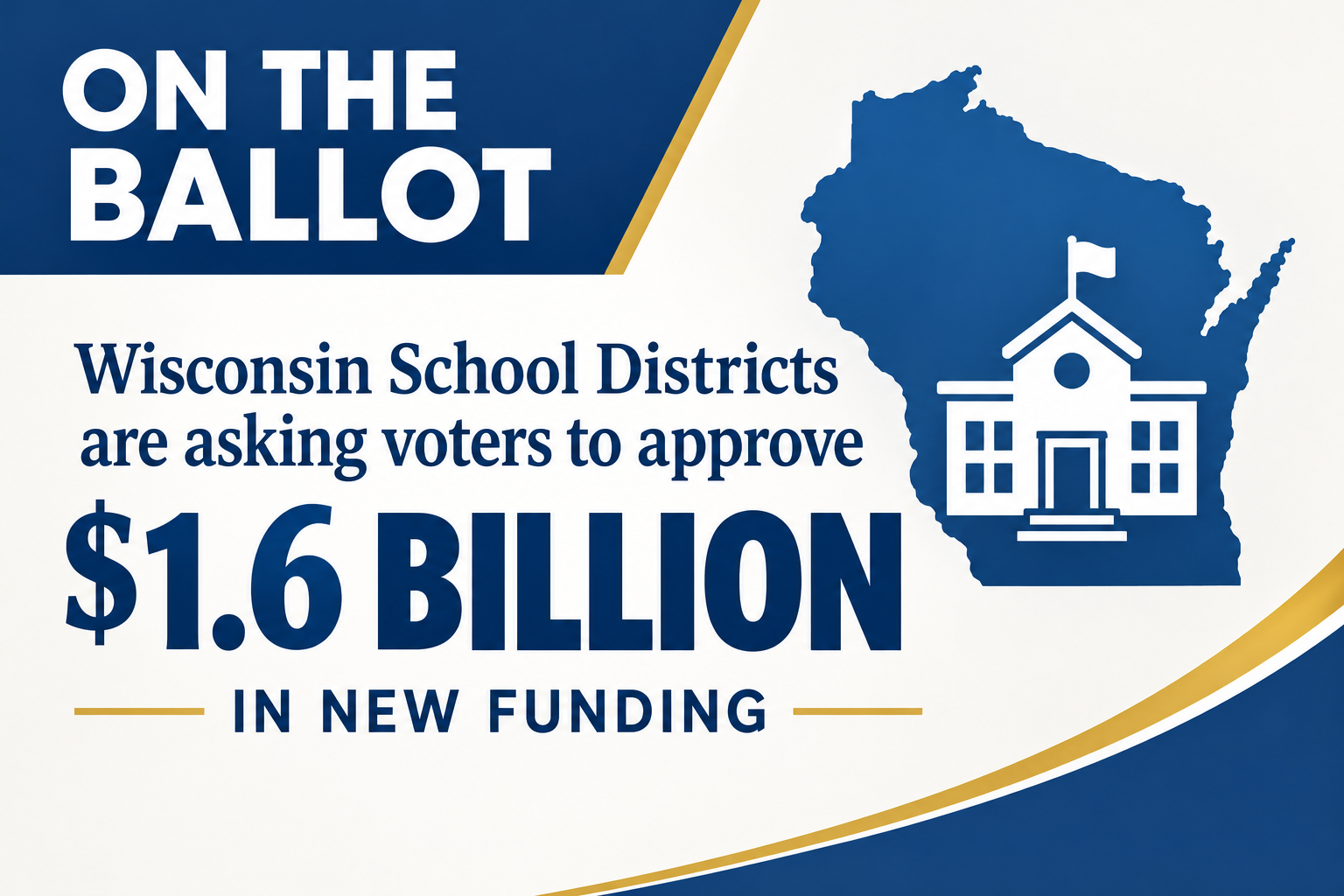
The MacIver Institute, a Wisconsin policy group, published an overview of school district referenda on the Nov. 3 ballot. It reports that 72 districts are asking voters to approve about $1.6 billion. Because some districts have more than one question, the total comes to 80 referendum questions. The article names seven districts with multiple questions: Brown Deer, Greenfield, Little Chute, Lodi, Princeton, Unity and Waunakee. Together they account for about 19% of the requested money, roughly $310 million.
The author sorts the requests into three types. About $802 million (50%) would let districts borrow money, and the author stresses that this figure leaves out interest that taxpayers would also repay. About $40 million (2.5%) is for recurring referenda, which the author says would permanently raise a district's annual tax levy. About $776 million (48%) is for non-recurring referenda, which raise taxes for a set number of years. As an example, Janesville is asking for $98 million over four years, or about $24.5 million a year, after which taxes would return to their earlier level.
The piece includes an interactive spreadsheet listing each district's referendum type, amount, length and purpose. The data comes from the state Department of Public Instruction's referenda report. The article does not report any results, since voting takes place Nov. 3.
Why it matters
Referenda let local voters decide whether to raise school funding through borrowing or higher property taxes. The article explains how the types differ in length and cost, which may help voters read their ballot questions. It also shows how many districts are asking at once.
- Operating referendum
- Bond measure
- Property taxes
- Ballot measures
A short preview written with AI from the publisher's article. It may contain errors; the full story has the details and is the authoritative source. Our editorial standards.
Read the full story at MacIver Institute (opens in a new tab)Questions to discuss
- How can voters weigh the difference between borrowing, temporary tax increases and permanent levy increases when reading a referendum question?
- What information should a district share so residents understand a referendum's purpose and its total cost over time?
- How should communities balance school facility and operating needs against the tax burden on local households?
Suggested with AI.
Public discussion
Share how this affects your community. Be respectful, stay on topic, and don't post personal information. Editors may hide comments that break these rules.