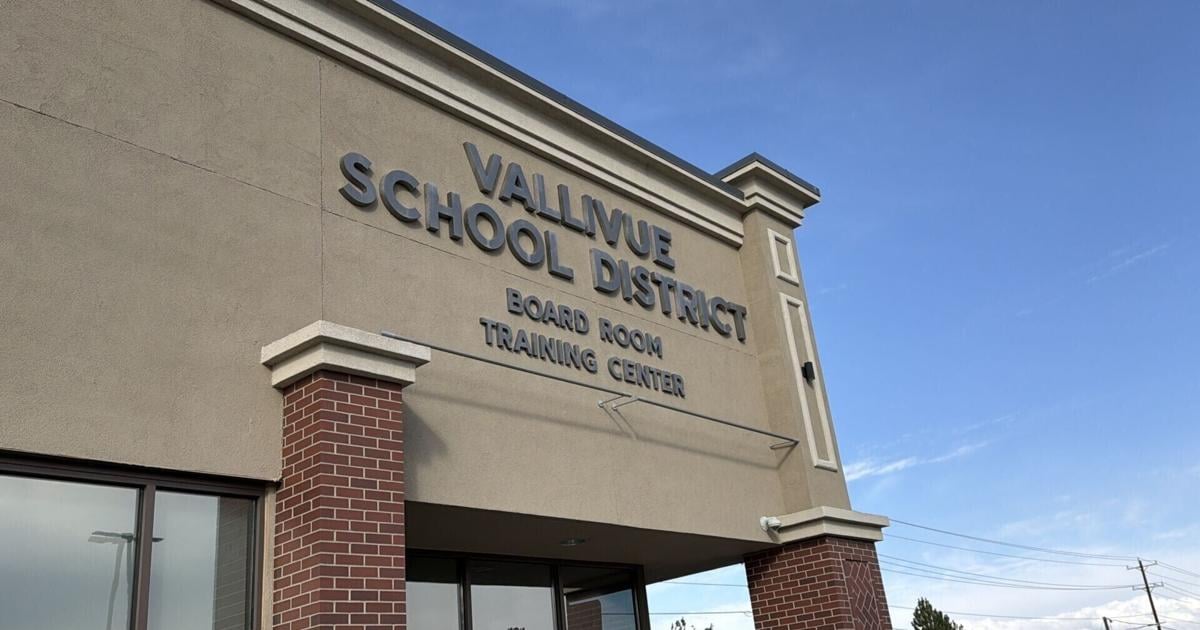
Vallivue School District in the Caldwell area is asking voters this November to renew its plant facilities levy for another ten years, this time at $3 million a year, about $1 million more annually than the levy that ends next year. A temporary three-member board of trustees voted Aug. 11 to put the measure on the ballot. The money would go toward maintaining and expanding 15 buildings, including site purchases, construction and repairs, modular classrooms, and equipment such as heating, ventilation and security systems. The district says the old levy was approved when it had seven fewer facilities. Since then it has added three elementary schools, a middle school, a high school and a food warehouse, and expanded its alternative high school campus. It now serves nearly 11,000 students. Assistant Superintendent Joey Palmer says upkeep costs have risen and that maintenance crews have stretched their funds. Because property values have grown, the measure needs 55% approval, not the two-thirds required in 2017, when it fell short once and then passed by four votes. Palmer says the district could have requested up to $8.7 million. The levy itself would cost $24 per $100,000 of taxable assessed value. Counting other levies and bonds, the district projects $127 per $100,000, falling to $96 by 2035, assuming 3% yearly growth in assessed value. Early voting starts Oct. 19, and Election Day is Nov. 3.
AI-assisted from the publisher's article. It may contain errors.
Why it matters
Homeowners and taxpayers will decide whether to fund building upkeep for a fast-growing district, and the article describes how rising property values affect both approval thresholds and per-household costs. Families and staff rely on these funds for building conditions such as climate control and safety systems.
AI-assisted from the publisher's article. It may contain errors.
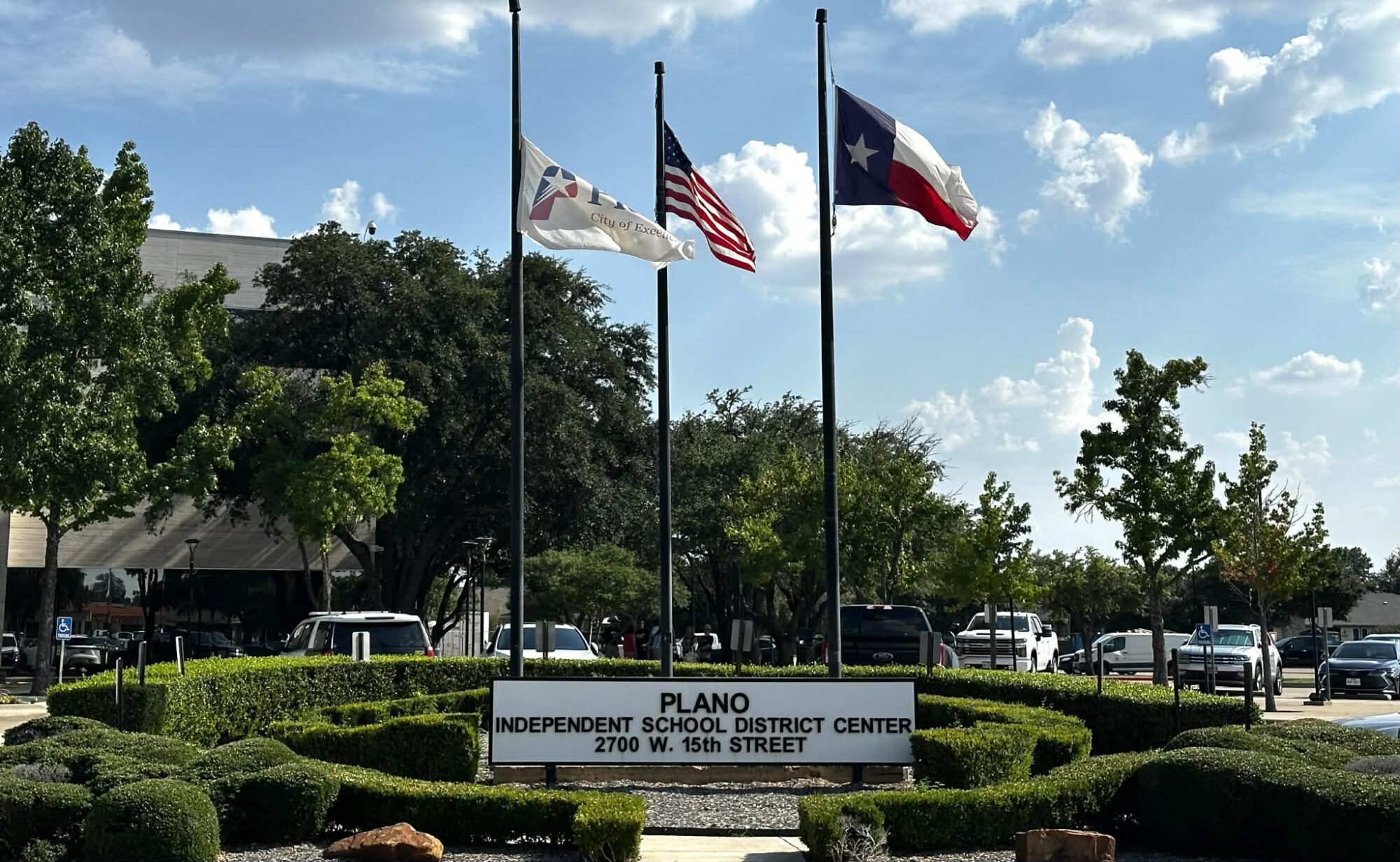
The Plano City Council signed off on Monday on an agreement under which Plano ISD would commit as much as $250 million in future tax revenue to a planned arena for the Dallas Stars. The district's board of trustees had already approved the deal earlier in the summer, according to the article. The arena would sit within a larger $3 billion redevelopment at The Shops at Willow Bend, and it could relocate the team from its current home in Dallas. In exchange, the school district would be able to use the city-owned venue for graduation ceremonies and other events. Right now, the district holds commencement for its three senior high schools in Frisco. District officials said in a Wednesday statement that the arrangement lets Plano ISD keep some property tax money that would mostly be sent to the state under Texas' recapture system. Mayor John Muns, a former trustee, voiced support for having graduations back in Plano. The deal arrives before a November 3 vote on Proposition A, which would permit venue taxes to help pay for the arena. Opponents, including the Stop the Stars Arena PAC, have raised concerns about taxpayer subsidies, a tax increment reinvestment zone, infrastructure costs and public service costs. City officials reviewed early traffic findings Monday, and who will pay for road improvements is still unresolved. A full traffic report is expected by the end of October, and early voting starts October 19.
AI-assisted from the publisher's article. It may contain errors.
Why it matters
The agreement links school district tax dollars to a major public project, which affects how local property tax revenue is used. Voters will weigh the arena's costs and benefits soon, and families may care about the graduation venue offered in return.
AI-assisted from the publisher's article. It may contain errors.
Trustees in Idaho's Bonneville School District voted Wednesday night to approve a resolution directing the superintendent to create a form that every district employee must sign certifying their biological sex. The form will use the definitions found in Idaho law. District leaders say the step is meant to ensure compliance with Senate Bill 1100, a 2023 state law that limits multi-occupancy school restrooms to members of the matching biological sex. In a letter to employees, Superintendent Scott Woolstenhulme said the district collected personal information during hiring without necessarily asking staff to confirm it fits the legal definitions. He said the district cannot make assumptions based on names or appearance. Under the draft form, each employee would see the sex currently on file, say whether it is accurate, and pick male or female if it is not. Employees would also acknowledge that they may use only restrooms and changing facilities matching their biological sex. Human Resources would follow up confidentially with anyone reporting an inaccuracy. The resolution says certifications, discrepancies, accommodation requests and any medical documentation would be kept as confidential personnel records with limited access. A board clerk said employees with questions or accommodation needs can contact HR. The article notes that the Boise School District's insurer recently paid $34,000 to settle a former student's lawsuit alleging a violation of SB 1100. It also reports that plaintiffs dropped a separate challenge to the law in May, according to the attorney general.
AI-assisted from the publisher's article. It may contain errors.
Why it matters
The policy adds a new requirement for district employees and shows how one district is putting a state restroom law into practice. Staff, families and board members may want to understand how personal information will be collected, kept confidential and handled when accommodations are requested.
AI-assisted from the publisher's article. It may contain errors.
Park City School District's athletics construction is expected to wrap up in November, according to Superintendent Lyndsay Huntsman, who spoke on a KPCW radio program on Oct. 15. The work on the Kearns Boulevard campus, on the site of the former Treasure Mountain Junior High, was delayed. The article cites illegal groundwater dumping, contaminated soil and other construction problems as contributing factors. The new Treasure Mountain Sports Complex will have soccer, tennis, softball and baseball facilities. Huntsman said the remaining task is the tennis courts, which need concrete poured, something that gets harder as the weather turns colder. Separately, the Dozier Football Field near Park City High School is getting a new track, turf and concessions building. Those upgrades are set to be done by the end of October, with interior spaces such as bathrooms, team rooms and the concessions and announcer area still to be finished. Huntsman said football, flag football and girls soccer teams are already using the field. Board of education president Meredith Reed said board members may take up another piece of the athletics master plan once construction ends. The plan had four phases, and only phase three was not approved. It would add a fieldhouse, more parking and renovated gyms. Reed said the board set it aside earlier because of its high cost. A parent-founded group, the Go Miners Athletic Foundation, is helping the district pay for the project.
AI-assisted from the publisher's article. It may contain errors.
Why it matters
The projects affect where students play and practice, and the unfinished third phase could mean a significant future spending decision for the board. Taxpayers and families may want to follow how the district weighs that cost.
AI-assisted from the publisher's article. It may contain errors.
The Mississippi Department of Education has released its accountability ratings for the 2025–2026 school year, and MageeNews.com reports that all three schools in Magee improved. Magee Elementary School received a C, Magee Middle School received a D, and Magee High School received a C. The article singles out the middle school as showing one of the largest gains, with its accountability score rising by 84 points. The Simpson County School District as a whole earned a C, with an accountability score of 597. Among the district's other schools, Mendenhall Elementary and Mendenhall High each received a C, while Simpson Central received a D. The article does not give prior-year ratings or scores for individual schools beyond the middle school's 84-point change. The writer acknowledges that more work remains but argues that progress deserves recognition, and credits teachers, administrators, staff and students. The article does not describe any board action or next steps.
AI-assisted from the publisher's article. It may contain errors.
Why it matters
State accountability ratings are one public measure of how schools are performing, and families, staff and board members may use them when judging progress. This article shows how the ratings looked across one district's schools, though it gives limited detail on what drove the changes.
AI-assisted from the publisher's article. It may contain errors.
Kentucky's newest school accountability ratings for the 2025–2026 school year have been released for Russell County. Of the district's five schools, two earned an overall green rating and three earned yellow. The state's scale runs from blue at the top, then green, yellow, orange and red, and it weighs both current results and change since the prior year. The green schools are Jamestown Elementary (70.7) and Russell County Middle School (68.1). At Jamestown, both main academic categories were green and improved, and students beat the state's proficiency rates in most reading and science-related subjects while matching it in math. At the middle school, proficiency rates topped the state in every tested subject. The yellow schools are Russell Springs Elementary (68.3), Salem Elementary (59.5) and Russell County High School (60.8). Russell Springs students outperformed the state in all tested subjects, but year-over-year declines lowered its ratings; it did earn blue for English learner progress. Salem's combined science, social studies and writing category was orange after a sharp drop. At the high school, the graduation rate edged up to 95.5 percent, earning green, while postsecondary readiness was yellow. No district school was placed in a federal category calling for comprehensive or targeted support. District leaders say scores and colors capture only part of student achievement and that the results will be used along with classroom performance and other information to guide improvement work.
AI-assisted from the publisher's article. It may contain errors.
Why it matters
The ratings give families, teachers and board members a snapshot of how each school is doing against state benchmarks and its own past results. They may shape where the district focuses improvement efforts, such as Salem's science, social studies and writing results.
AI-assisted from the publisher's article. It may contain errors.
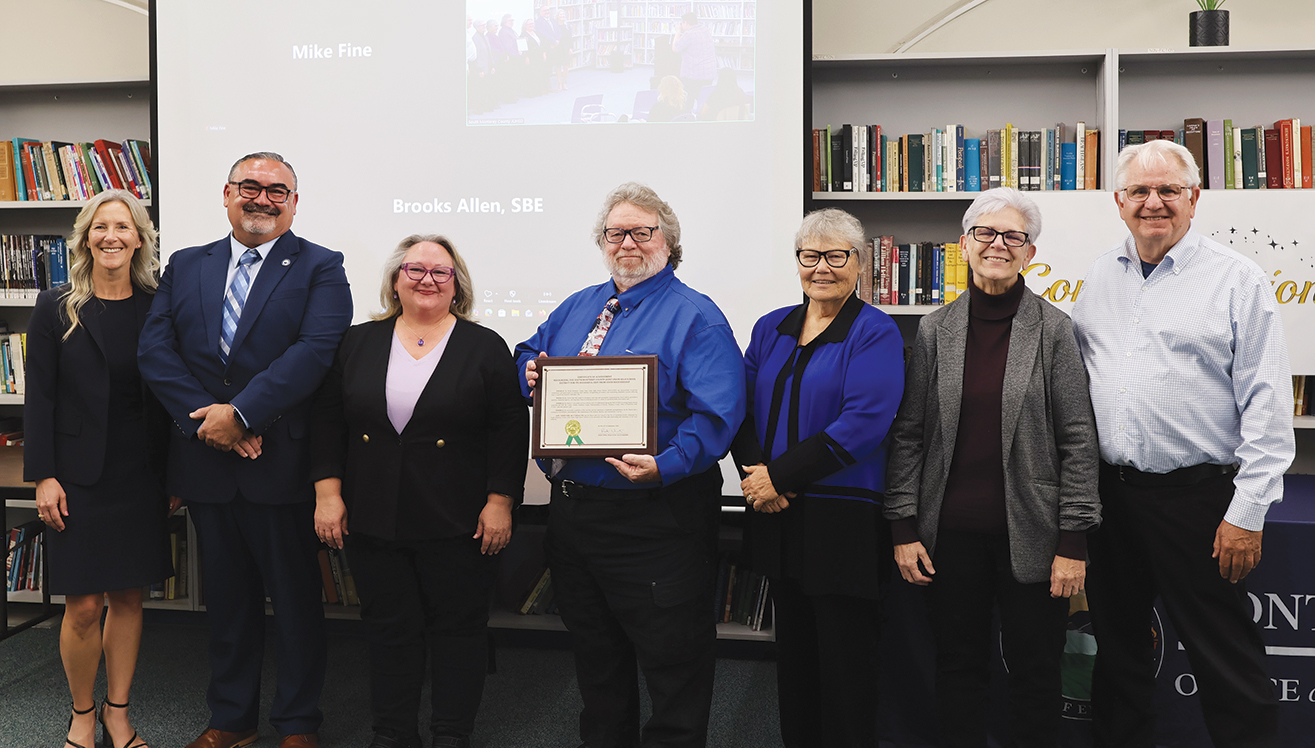
The South Monterey County Joint Union High School District has regained authority over its own affairs after almost 15 years under state and county oversight. A celebration was held Sept. 30 at King City High School, with State Superintendent of Public Instruction Tony Thurmond among the attendees. The district left state receivership after paying back its emergency state loan and putting in place financial and governance systems meant to head off future money troubles. Under receivership, the local board's authority is suspended while the state oversees finances. County Superintendent of Schools Deneen Guss said recovery meant more than repaying the loan; the district also had to show it could keep up sound practices over time. She said it met or exceeded all FCMAT standards for school finance. FCMAT's chief executive, Mike Fine, said the district is leaving in a position of strength, unlike other districts that exited while still in fiscal distress. District Superintendent Caroline Cota said the district has grown dual enrollment and career pathways, put money into classrooms and facilities, and widened support for English learners, students with disabilities and student wellness. It also created a student advisory team and a student board member program. A ceremonial gavel was given to board president David Gaboni. The district has required new board members to take governance training, adopted a governance handbook, and passed a resolution committing to FCMAT standards. Voters in Greenfield and King City are scheduled to decide in November on a proposal to merge the region's three districts into two unified TK-12 districts.
AI-assisted from the publisher's article. It may contain errors.
Why it matters
The change returns decision-making to the elected local board, which matters to families and taxpayers in Greenfield and King City. The November vote on reorganizing the region's districts could also reshape how local schools are governed.
AI-assisted from the publisher's article. It may contain errors.
Winston-Salem/Forsyth County Schools plans to create 14 new positions in its exceptional children (EC) program. The money comes from an additional $1.3 million that Forsyth County Commissioners approved for the district this year to support EC services. According to the article, the EC department absorbed a large share of the position reductions made during the district's financial crisis, which left staff with very difficult caseloads. Chief Academic Officer Paula Wilkins told a meeting this week that the district intends to use the funds for eight EC teachers, along with teacher assistants, an EC facilitator and a behavior support specialist. Filling the jobs may be hard. The department already has 83 openings that the district has not managed to fill. Wilkins said the district would like permanent employees but must be realistic about vacancies, and it may need to consider temporary contracting. The district is also planning a recruitment event aimed at EC teacher assistant openings on Wednesday, Oct. 21, at its Education Building on Bethania Station Road.
AI-assisted from the publisher's article. It may contain errors.
Why it matters
Staffing levels in EC programs affect the support students with disabilities receive and the workload teachers and aides carry. The article shows that new funding does not guarantee relief if the district cannot hire enough people for open roles.
AI-assisted from the publisher's article. It may contain errors.
The Palo Alto school board is weighing when to ask voters to renew a parcel tax that fell short in the June 2 election. At a Tuesday meeting, Superintendent Jason Glass laid out two options: a special election on March 2 or one on May 7. The district currently faces $33 million in budget cuts for the next school year. An earlier March vote would give the board and employees more certainty about possible layoffs before the March 15 deadline for teacher layoff notices. Board member Alison Kamhi said she worries about how notices would affect morale. A May vote would give the district more time to poll residents, rebuild trust and shape the ballot question. Glass said he has been working on trust since being hired over the summer. Board member Shana Segal said she would keep the tax at $941 per year instead of the $800 amount that failed. The existing tax brings in $17 million annually and expires next year. The June measure got 62.4% support but needed two-thirds. Former board members Todd Collins and Ken Dauber ran an opposition campaign, arguing the district overstated its needs. The district's budget pressure stems partly from new union contracts with a 10.4% raise and $10,000 bonuses. The board agreed to hold a special meeting with consultant Charles Heath to discuss the election date.
AI-assisted from the publisher's article. It may contain errors.
Why it matters
The parcel tax provides $17 million a year, and its timing could affect whether teachers receive layoff notices. Taxpayers and families will be asked to weigh the district's finances against a measure that recently failed.
AI-assisted from the publisher's article. It may contain errors.
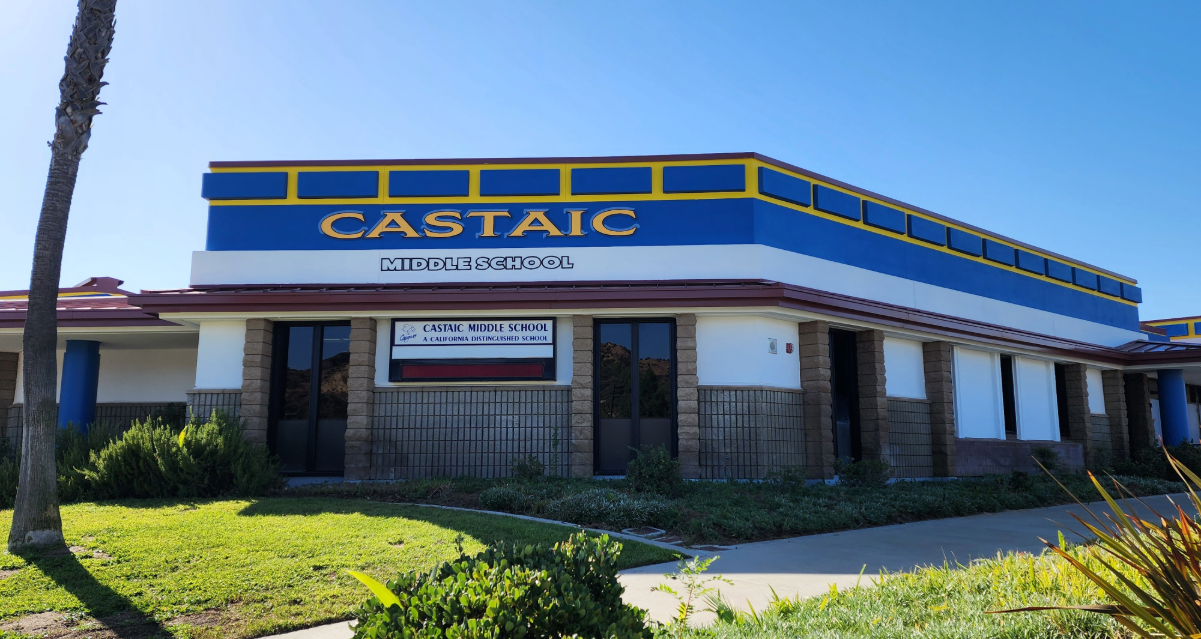
Castaic Middle School, part of the Castaic Union School District, has been renewed as a national Schools to Watch campus. According to a news release from the district that KHTS Radio published, the renewal follows the school's recent naming as a California Distinguished School. The release says the two honors reflect the school's effort to keep pace with changes in education while keeping academic standards high and classrooms supportive. The district says the school holds "legacy school" status because it was among the first middle schools chosen when the program began. Principal Stephanie Sosa said that remaining in the program matters to the school and that the recognition reflects the work of staff, students and families. The release says the program is run in California by the state education department, a league of educators and a national middle-grades reform group, and that it recognizes high-performing middle schools in four areas. The article does not list those areas. Schools keep the designation by going through a review every three years, which includes self-evaluations and visits from secondary education experts. The district says the school will keep sharing its practices with educators in California and across the country.
AI-assisted from the publisher's article. It may contain errors.
Why it matters
Families and staff may view recognition programs as one indicator of how a local middle school is performing. The article comes from the district's own release, so readers may want to look at the program's criteria and the school's review materials for more detail.
AI-assisted from the publisher's article. It may contain errors.
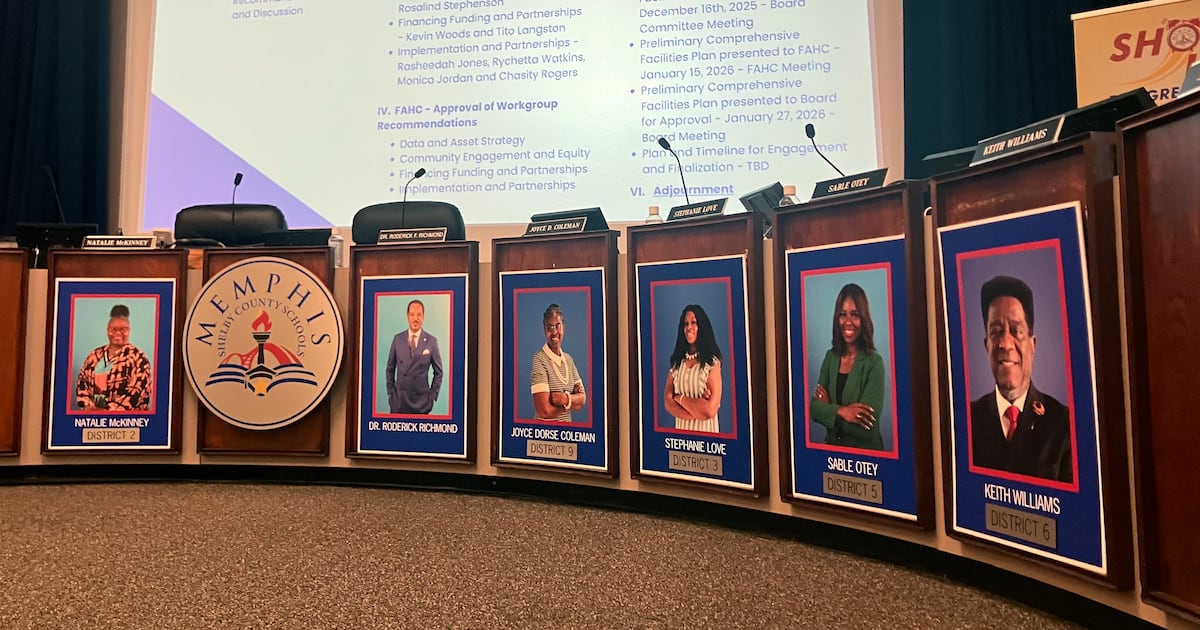
A federal judge, Waverly Crenshaw, has lifted the temporary hold he put on the state's takeover of Memphis-Shelby County Schools in late June. The order came on a Thursday, after more than three months of legal delays. It lets the appointed Education Oversight Board begin directing the district. According to the article, the board can now override most major district decisions, including approving the yearly budget and closing schools. It also has authority to choose a new superintendent and to rework what and how students are taught. Board Chair Billy Orgel said the group is ready to start and called for teamwork from educators, parents, students and the community. At a meeting the previous week, the board fast-tracked key policies, though members argued over whether it was proper to adopt materials from consulting firm MGT prepared during the pause. Orgel said local philanthropists paid for that work, which he argued made it legal. Members did not agree on where or when to meet next. The district's lawsuit against the takeover continues, and both sides must present evidence. Last Tuesday, district leaders filed an amended complaint alleging the state is singling out a mostly Black student body because of race and that the takeover diverts money to board salaries. A separate chancery court suit is also pending. District board chair Tamarques Porter said he disagrees with the ruling.
AI-assisted from the publisher's article. It may contain errors.
Why it matters
The ruling shifts authority over Memphis schools' budget, school closures, leadership and curriculum to an appointed body, which affects families, staff and taxpayers. Court cases challenging the takeover are still unresolved, so the outcome remains uncertain.
AI-assisted from the publisher's article. It may contain errors.
Sacramento City Unified School District is cutting spending to avoid insolvency, and a CapRadio report describes how those cuts are reaching staff, students and families. The district sent more than 500 layoff notices in March. Many of those employees stayed by moving into other open jobs, and in the end 156 positions were eliminated, saving $22 million, according to a district spokesman. The article says the district still faces a risk of state receivership, in which it would take an emergency loan and give up local control to a state or county administrator. In September, the board approved budget revisions meant to stabilize finances and prevent a cash shortfall this school year. The cuts include the 6th grade science trip, district cellphones, supplies, and high school graduations at the Golden 1 Center. The trip cut saves $850,000, and the district paid $300,000 for six graduation ceremonies. Graduations will move back to school sites. A trustee says the board is trying to place cuts as far from classrooms as possible. An instructional aide, a teaching assistant and a parent describe slower equipment purchases, a temporary hours reduction, parent supply donations, and families fundraising for the trip, with uncertainty about next year. The trustee says the board will monitor how well staff carry out the plan.
AI-assisted from the publisher's article. It may contain errors.
Why it matters
The article shows how district-level budget decisions can affect staff job security, classroom supplies and family costs, while the possibility of state receivership could change who governs the district. Taxpayers and board members may want to follow how the plan is carried out.
AI-assisted from the publisher's article. It may contain errors.
The Tigard-Tualatin School District is considering an expansion of its Spanish-English two-way immersion program. At a school board meeting on Monday, Oct. 12, district officials presented a plan to convert Bridgeport and Metzger elementary schools into dedicated two-way immersion schools starting in the 2027-28 school year. Today, both schools run the program as a "school-within-a-school," which means only a limited number of students across the district can take part. According to district officials, each school would add schoolwide immersion gradually over six years, adding kindergarten classes annually. As part of the change, traditional neighborhood attendance boundaries at the two schools would shift so that students are assigned to designated nearby elementary schools. The superintendent said in a statement that the change would open bilingual education to more families and let each school focus on one teaching approach instead of running two programs in the same building. The article notes that kindergarteners in the program now spend 90% of the day in Spanish and 10% in English, moving to an even split by fourth grade. The program began in fall 2012 at Metzger Elementary. In May 2025, the district honored 40 graduates at Tigard High School, and most students who stay in the program through high school earn an Oregon State Seal of Biliteracy. No dates are set yet, but listening sessions to gather public feedback are planned for later this month and in November.
AI-assisted from the publisher's article. It may contain errors.
Why it matters
The proposal would change which school some children attend and how two elementary schools are organized. Families in affected neighborhoods and those seeking bilingual education may want to take part in the planned listening sessions before any decision is made.
AI-assisted from the publisher's article. It may contain errors.
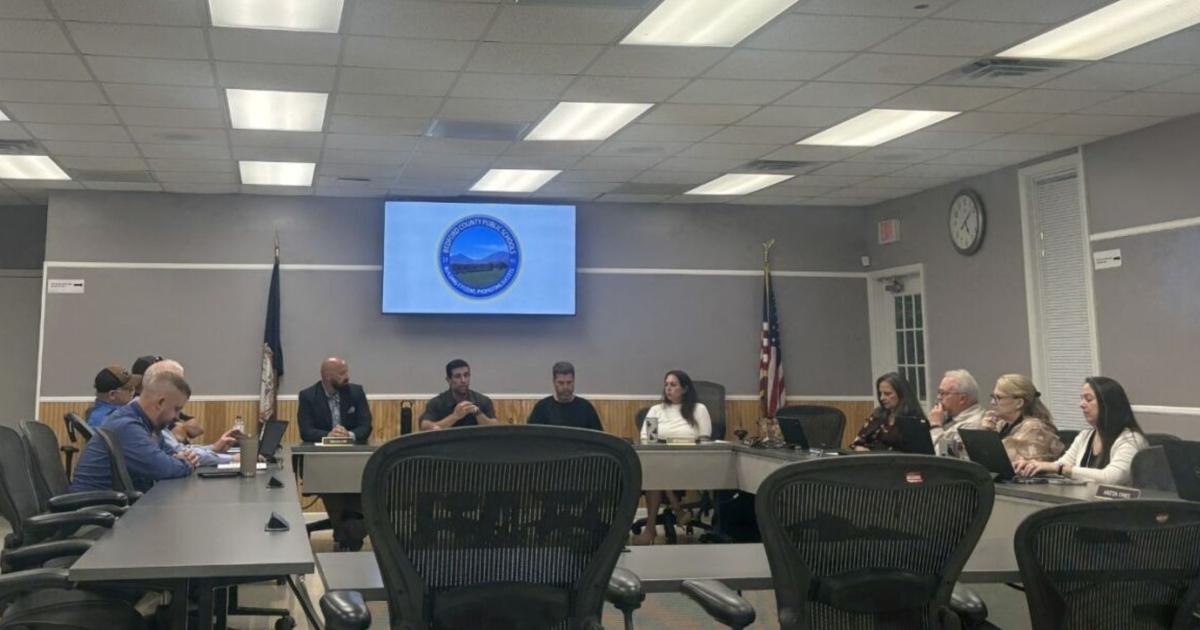
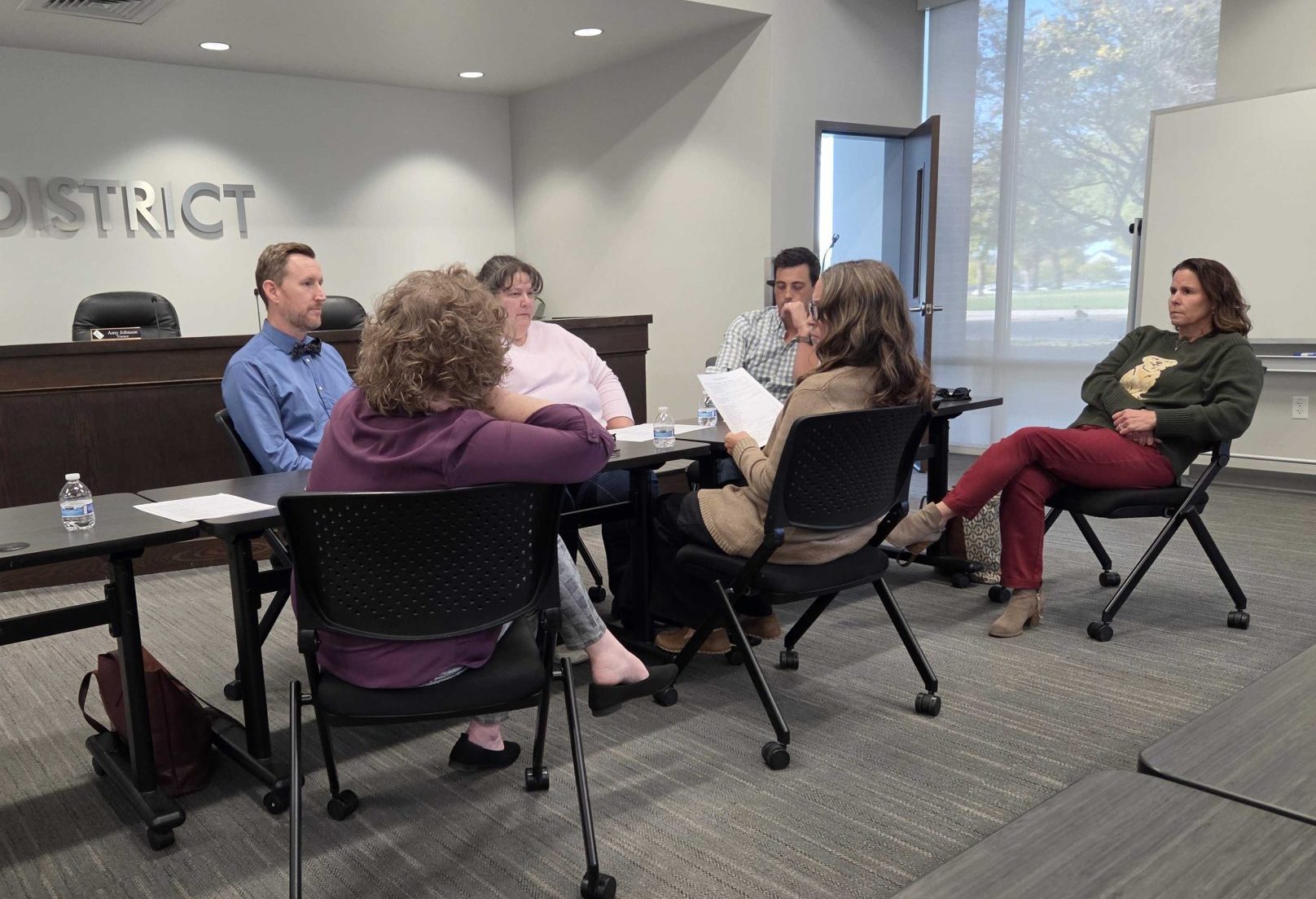
Trustees in Idaho's Vallivue School District interviewed two candidates for a vacant board seat on Tuesday in an open work session. They then talked among themselves and reached a consensus on a preferred pick. No motion or vote was taken, so the article says it is unclear who won the seat. A trustee said the appointment would go on a later agenda as a motion, and the superintendent said a formal vote was expected at the November meeting. The board then went into an executive session without a vote in open session or a stated reason, which Idaho Education News says state law requires. The district told the outlet it is consulting legal counsel about whether the Open Meeting Law was violated and whether any corrective steps are needed. It said board members work to follow the law. A special meeting for a formal vote was requested but had no posted agenda by Wednesday morning, and it was later canceled because of scheduling conflicts. The district gave no timeline for a vote. It does not record or livestream meetings. The board has three of five members after resignations in June and August. Under Idaho law, a board generally has 90 days to appoint a replacement, and county commissioners make the appointment if a seat stays open past 120 days. The first resignation took effect 125 days before Thursday. The district is also running a $30 million facilities levy in November.
AI-assisted from the publisher's article. It may contain errors.
Why it matters
Open meeting rules let residents see how public officials make decisions about taxpayer money and schools. The outcome could affect who sits on the board and whether the district or county commissioners fill the open seats.
AI-assisted from the publisher's article. It may contain errors.
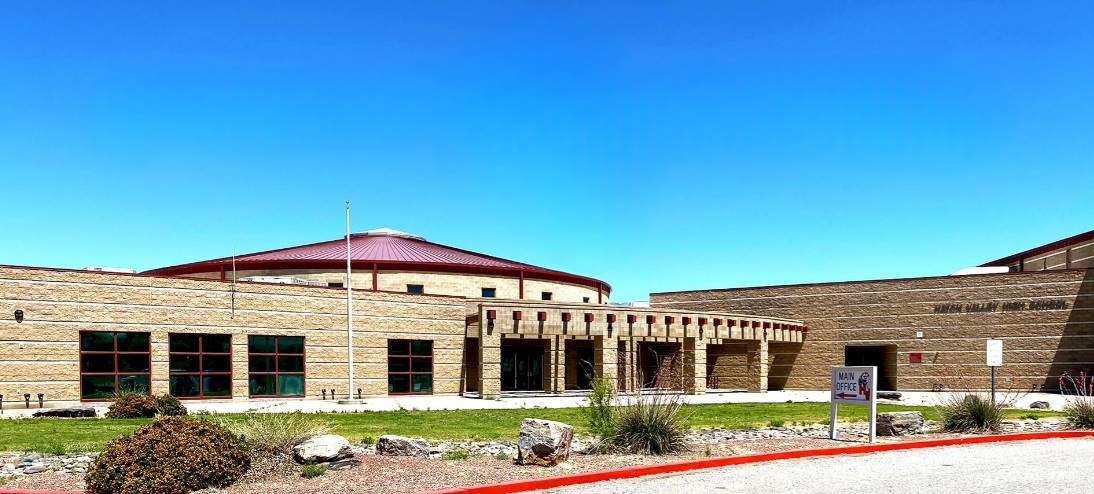
Hatch Valley Public Schools board members discussed on Oct. 14 how to put armed security on campuses, since staffing problems at the Village of Hatch Police Department have made it hard to secure a school resource officer. Board President Chris Montez asked whether the district should hold off on pursuing a new arrangement with the Doña Ana County Sheriff's Office until after the November election. Superintendent Fred Montalvo said the district has long split the cost of an officer with the village, but the village has had trouble hiring and keeping police. Montalvo said he learned that afternoon of a possible candidate with school-based law enforcement experience who would also like to coach. Officials plan to see whether that person could work through the village police department, with coaching secondary. He said the village police chief still wants to supply an officer. Montalvo also raised having the district employ its own armed guard, which would require a review of policies, qualifications and funding, and he noted such a person might lack the credentials of a certified officer. Montez asked administrators to research training requirements and compare them. Trustees also talked about approaching the sheriff's office. Montalvo said getting such a commitment had been hard before but agreed to ask. No agreement was announced. The board approved no position, contract or funding and asked for more information on staffing, training and costs. The topic came up under future business, and no specific proposal was on the agenda.
AI-assisted from the publisher's article. It may contain errors.
Why it matters
Families and staff rely on district decisions about who provides armed security on campus. The discussion shows how local police staffing, costs and policy limits can shape school safety options, and that any change would need board review and funding.
AI-assisted from the publisher's article. It may contain errors.